44 disadvantages of private labels
Private labeling: Process, Advantages, and Disadvantages This occurs when you sell your private labeled products to other businesses at a discounted price. This can be a great way to generate additional revenue for your business. Disadvantages Difficulty building loyalty: Such products can be difficult to build loyalty around. Marketing Minute: Manufacturer branding versus private-label: pros and ... Such private-labeling relationships may paradoxically spur the development and growth of the manufacturer's own brand by providing much-needed critical mass of manufacturing capacity and capital ...
White Label - Definition, Pros, Cons & Examples & How-It - Marketing Tutor Disadvantages of Private Label Following are some of the disadvantages of white labeling for manufactures and resellers Limits on the Manufacturer The agreement signed by the two firms can limit the manufacturer from entering into a similar agreement with the seller's competitors. This can limit the growth of the manufacturer.
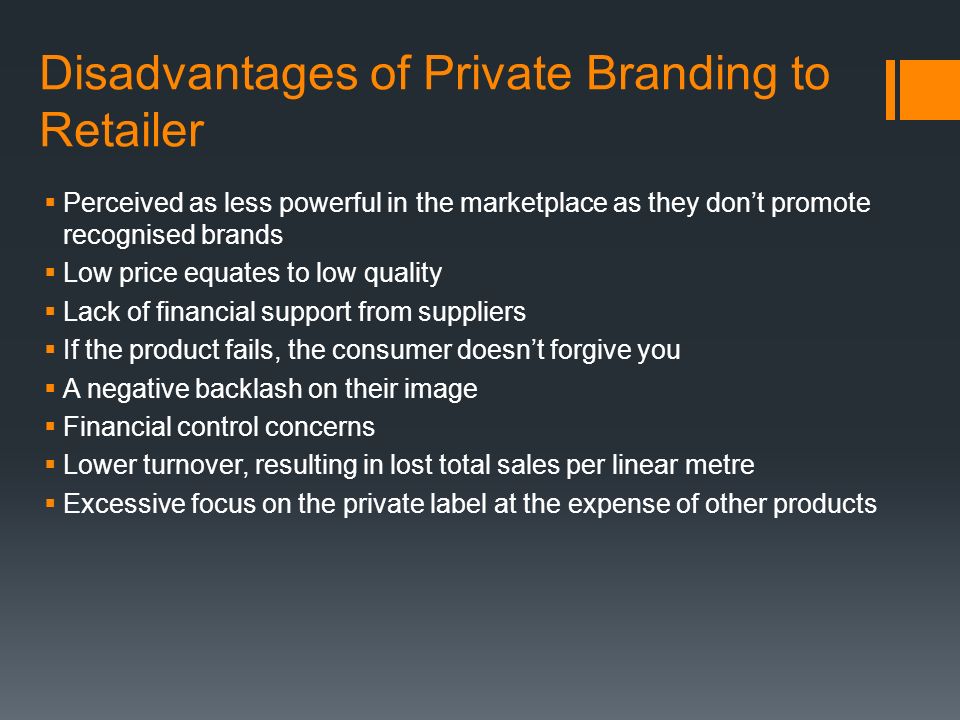
Disadvantages of private labels
What is a Private label? Meaning, Advantages & Disadvantages Advantages of Private label brands. Product Pricing Control: Retailers exercise a control over various product factors (like design, distribution, production, package, size, pricing, etc.) through private labels. Marketing Innovation: Private labels enable the retailers to innovate and execute their ideas to compete with bigger national brands. Advantages and disadvantages of Private labels for Reliance Retail Ltd The key advantage from a retailer perspective could be the Private labels will fill the needs gap that is present in the market place - unique product or a differentiated product in the market place. The critical aspect of the private label for the retailer is that it gives the retailer a higher profit margin than what is offered on other brands. Private Label : Definition, Example, Pros & Cons | Retail Dogma Private Label : Definition, Example, Pros & Cons. Private label is a concept in retailing, where a retailer contracts a third-party manufacturer to manufacture their products under certain specifications, and under a brand name that belongs to the retailer. A lot of retailers who sell multi-branded products in their store sometimes opt to ...
Disadvantages of private labels. Private Label vs. Wholesale Sourcing - Pros and Cons The low prices of each piece add up very quickly when that store is forced to order a large amount. Also, if a piece does not sell as well as anticipated, the option of returning unsold merchandise to the wholesaler is rarely an option at all. If it is, the fees of returning run extremely high. Pros and Cons of private labelling - Orderhive Cons Of Private Labelling This section discusses the disadvantages of using a private label while selling on Amazon FBA or any marketplace. Have a look at them: # No Real Control Over Quality As you are not the original manufacturer of the item, any defects in the product quality will make you liable for the lapse. Disadvantages of Private Label Packaging However, there are some disadvantages to going with private labeling. One major disadvantage is that you do not have the same brand protection that you would get from a brand manufacturer. In addition, you are not as well-known as brand name manufacturers which can boost your sales and maintain your competitive advantage. What are the advantages and disadvantages of private labeling ... - Quora Answer (1 of 5): I actually just covered an article that discusses the pros & cons of the three main business models: * Arbitrage * Retail * Private Label The short consensus answer on private labeling is: * private label allows you to differentiate and compete on more than just price * pr...
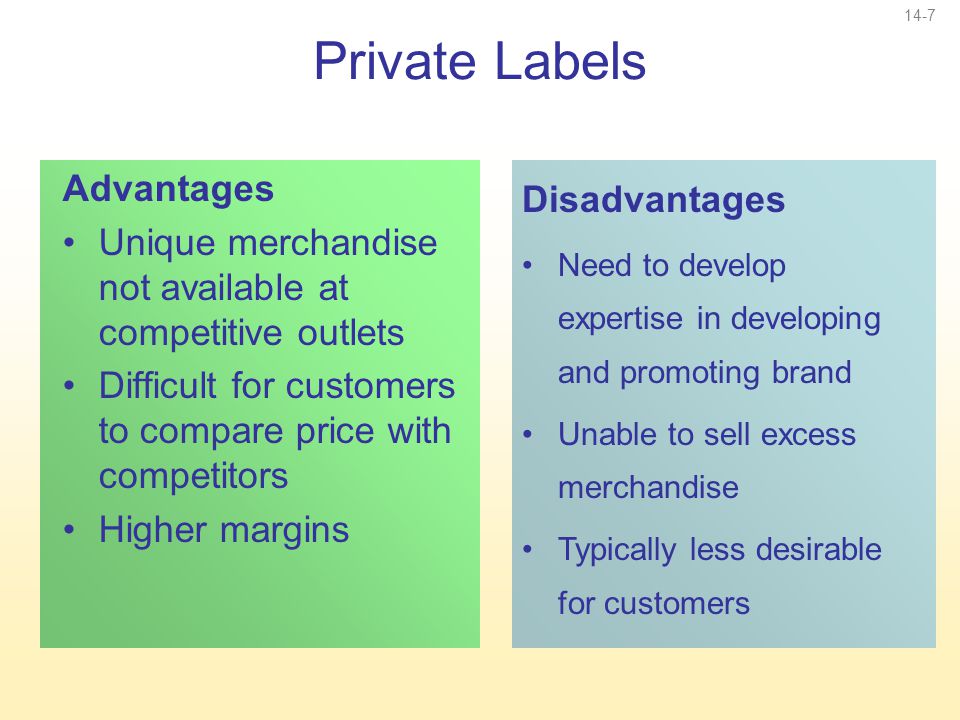
Private Label Disadvantages - ECOVS The disadvantages of adding a private label line are few, as long as you have the financial resources to invest in developing such a product. The main disadvantages include: Manufacturer dependency - Since production of your product line is in the hands of a third-party manufacturer, it's important to partner with well-established companies. 12 Pros and Cons of Private Label Brands - BrandonGaille.com This can make it difficult for a retailer should a private label brand not evolve as their customer preferences evolve. If a market changes and the brand is slow to adapt, then everyone loses money because the customer goes elsewhere to have their needs met. 2. Most private label brands aren't trying to innovate. Private Label vs Contract Manufacturer | Dynamic Blending Advantages & Disadvantages of Private Label and Custom Contract Manufacturing. Advantages. Disadvantages. Quick and easy access to the product (No formulation, packaging sourcing needed) Lower start-up costs (Product is essentially ready-to-market) Advantages And Disadvantages Of Private Label Brands Private Label Brands (PLBs) are growing faster than National or Manufacturer's brands. They are becoming more popular nowadays. Private Labels have gained an increased market share and are growing at a rapid rate. Private labels brands are completely owned products by the retailer they are manufactured, operated and sold by the retailers ...
Advantages and Disadvantages of Private Label - SheikhCommerce Customers have more confidence in branded products! DisAdvantages of Private Label: Technical and difficult to start and manage To do a private label business, Seller must be technical! For example a seller has to register a brand for a private label including trademark and business registration! What is Private Labeling? [Definition, Pros, Cons & More] - Ecommerce CEO Disadvantages of Private Labeling There are many good things about starting a business with private label products. But, there are also some disadvantages to be aware of. Customer Perception Most people will trust a brand they've used for a while. Many customers aren't as likely to trust your smaller, lesser-known brand. Private Label Definition - What is Private Label - Shopify The disadvantages of adding a private label line are few, as long as you have the financial resources to invest in developing such a product. The main disadvantages include: Manufacturer dependency - Since production of your product line is in the hands of a third-party manufacturer, it's important to partner with well-established companies. What are the advantages and disadvantages of national brands ... - Quora Answer (1 of 3): The majority of retailers, online and offline, obtain products from suppliers. Few brands manufacture and sell products directly to consumers. Many companies sell products without their name and branding unless they're using private label products. If you want to start an ecomme...
39 Best Selling Private Label Products (2022) - Ultimate Guide
Exposing the Advantages & Disadvantages of Private Labels Vs Amazon ... A considerable amount of upfront capital is required to start private labeling, and it can take up to 6 months before your product begins to make a profit. It is also riskier as it demands a big investment and many things can go wrong, like problems in production, toll, no demand, difficulties in shipping, etc.

Best Private Label Products For Small Business 2020 - Source ...
Private Label vs. White Label - Which one is better for you? 4. Advantages and Disadvantages of Private Label. Here are some of the advantages and disadvantages of the private label business. This will further help you in understanding whether you should go for this scheme or not.-Advantages. The control of the production process is in the hands of seller; The seller can control the prices
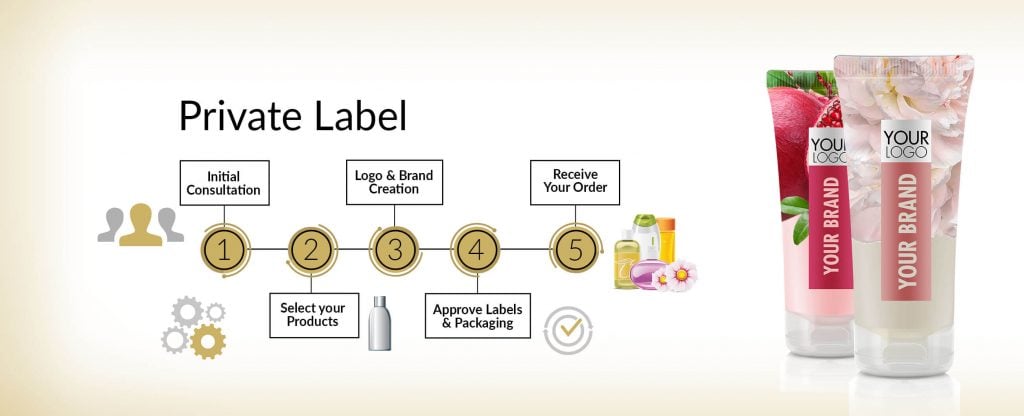
How To Find Private Label Manufacturers : Super Guide 2020
The Pros and Cons of Going 'Private Label' vs. Selling ... - Sourcify Private Label: Cons. In the words of Warren Buffett, "It takes 20 years to build a reputation and five minutes to ruin it.". It takes a lot of time and energy to create a brand name that resonates with consumers. If at any point your logo, packaging or product isn't top-notch, the reputation you've worked so hard to create can be harmed ...
Brand Building Introduction to Brand Prof. Chaitali ...
10 Advantages of Private Label Branding - Sungistix Here are some of the advantages. Exclusivity: Private label products are made only for a particular retailer on order. As they are unique to the retailer, they do not compete with national brands. The target segment for these products consists of customers who are already loyal to the retailer knowing they will get similar quality with products ...

How to Find Private Label Manufacturers (in 2020) - StartupBros
Private Labeling in Retail: How It Works, Pros and Cons Disadvantages of private label brands Upfront payments Most manufacturers, especially if it's the first time the retailer is in contact with them, will ask for an upfront payment to start the process. This may be a challenging factor for a small retailer, especially when they are not fully in control of the end product they'll receive.
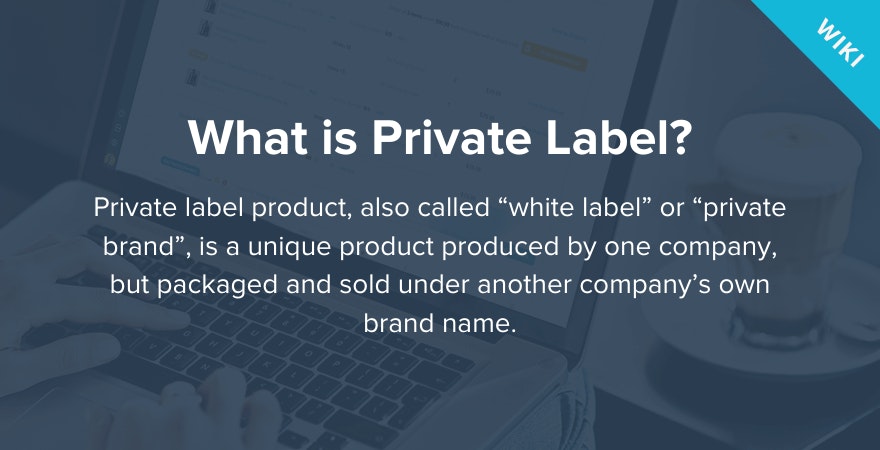
What is Private Label? - Read More About Private Label Categories
Advantages And Disadvantages Of Private Own Labels | Bartleby 1- It helps to focusing on the need of the target consumer, and uses the intelligence of the store to understanding the manners and preferences of the consumer. 2- It enables the direct relationship with manufacturers and suppliers, to reduce the distance, and improve traceability.
PPT - Top Advantage of Private Labeling and Branding ...
Private Label Clothing Manufacturers UK | Garment Manufacturer Private label products and their packaging have their name and brand. Possible Disadvantages of Private Labelling: While private labeling offers quite many benefits, retailers need to consider a few facts that might affect their business adversely. They cannot be a matter of concern if you stay aware.
How to Avoid These Private Label Mistakes
Advantages And Disadvantages Of Private Labeling | ipl.org Moreover, despite the fact that the prices are lower, the margins are higher, as the middlemen are eliminated and since the margin of private labels goes to the retailer directly it is common price promotion to be applied (4).

Brands Versus Private Labels: Fighting to Win
Private Label: Meaning, How It Works, Advantages and Disadvantages Private label disadvantages Private label strategies also carry some risks, such as: Production dependence. Private label owners depend on manufacturers and have no control over them (not as a shareholder). Thus, a manufacturer's business failure could disrupt operations.

Advantages & Disadvantages of Private Label
The disadvantages of using private label brands - Grade Ninjas One of the disadvantages is manufacturer dependency. Since the production of a private label line is in the hands of a third-party manufacturer, it is imperative to contract a company with an impeccable reputation. Failure to this, opportunities maybe lost in an unestablished setting (Hudson, 2019).
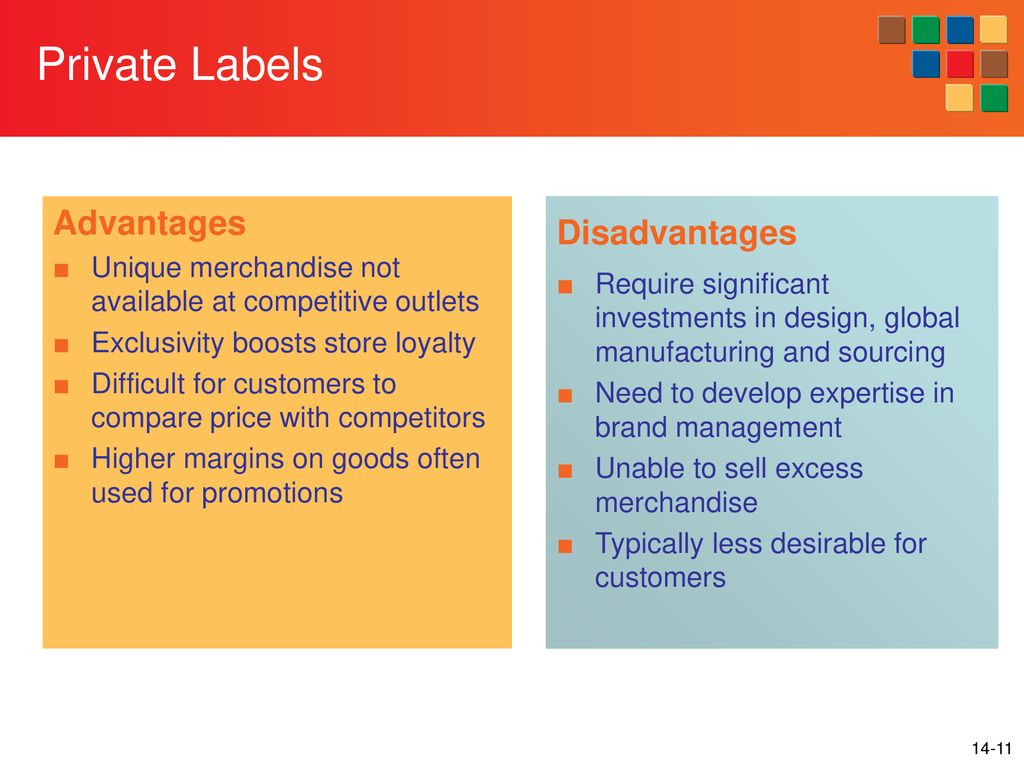
Buying Merchandise Chapter ppt download
Private Label : Definition, Example, Pros & Cons | Retail Dogma Private Label : Definition, Example, Pros & Cons. Private label is a concept in retailing, where a retailer contracts a third-party manufacturer to manufacture their products under certain specifications, and under a brand name that belongs to the retailer. A lot of retailers who sell multi-branded products in their store sometimes opt to ...
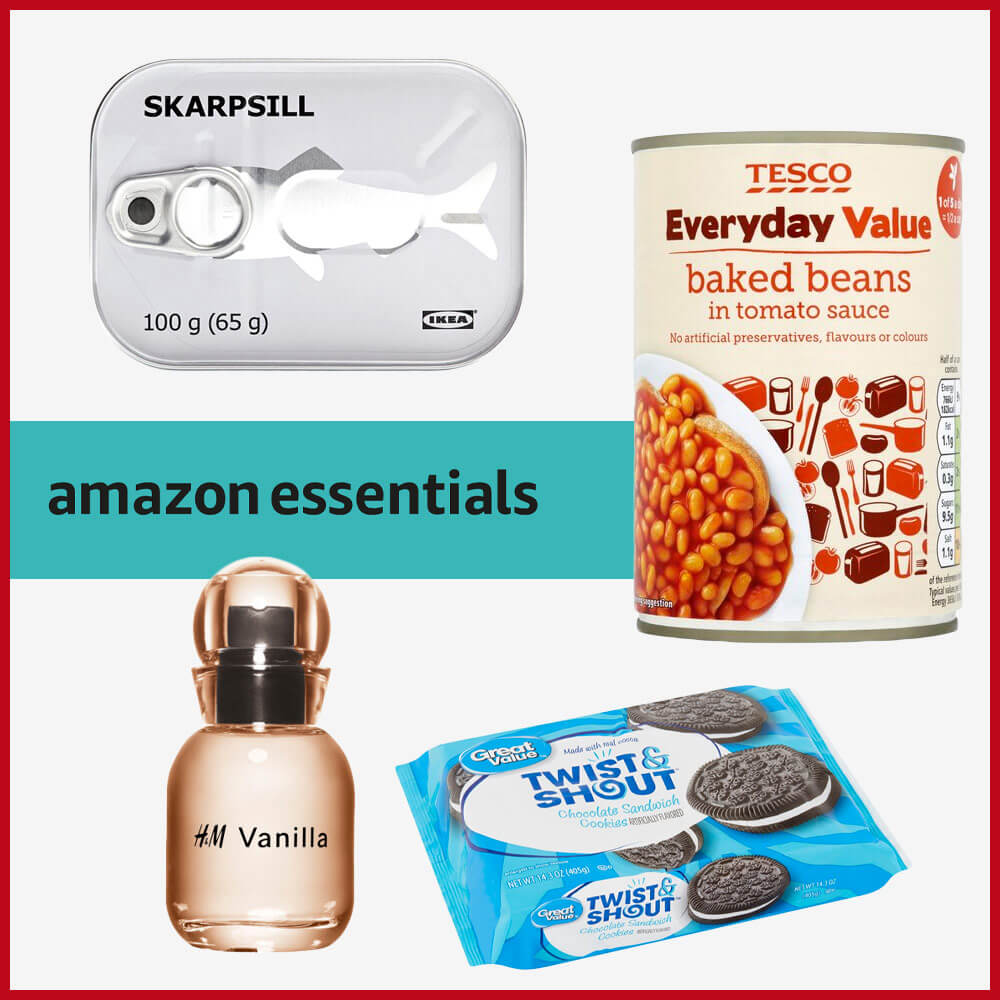
39 Best Selling Private Label Products (2022) - Ultimate Guide
Advantages and disadvantages of Private labels for Reliance Retail Ltd The key advantage from a retailer perspective could be the Private labels will fill the needs gap that is present in the market place - unique product or a differentiated product in the market place. The critical aspect of the private label for the retailer is that it gives the retailer a higher profit margin than what is offered on other brands.

What is Private Labeling: A Complete Guide - Alibaba Blog
What is a Private label? Meaning, Advantages & Disadvantages Advantages of Private label brands. Product Pricing Control: Retailers exercise a control over various product factors (like design, distribution, production, package, size, pricing, etc.) through private labels. Marketing Innovation: Private labels enable the retailers to innovate and execute their ideas to compete with bigger national brands.

Belaprom – FILTER PRODUCTION

How To Find Private Label Products and Start Selling (2022)
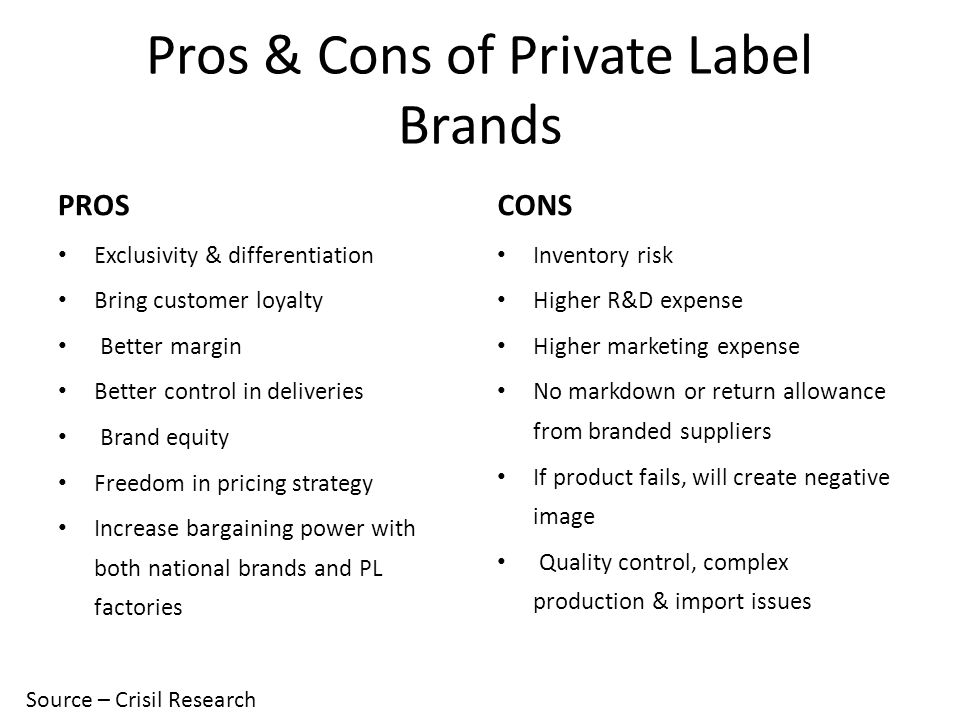
Presentation on A Study of Private Label Brands - ppt video ...

Pros and Cons of private labelling - Orderhive
How To Find Private Label Products To Sell Step By Step

EXPOSING THE ADVANTAGES & DISADVANTAGES OF PRIVATE LABELS VS ...
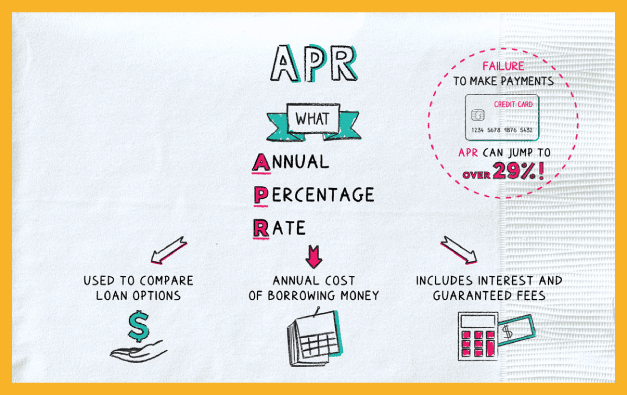
What is a Private Label Credit Card | Complete Guide 2022
:format(webp)/cdn.vox-cdn.com/uploads/chorus_image/image/56124895/tj_lead.1502298009.jpg)
Private Labeling in Retail: How It Works, Pros and Cons - Dor

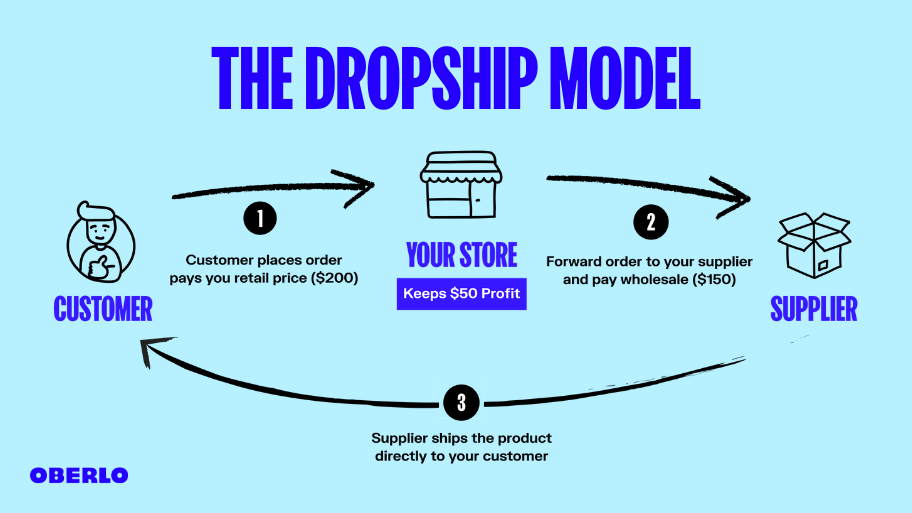
Private Label Dropshipping - New Guide 2022

What Is A Private Label Product On Amazon | Bit Rebels
Best 5 Alibaba Private Label Suppliers To Plan Your Brand
Private labeling: Process, Advantages, and Disadvantages ...

What is a Private Label and how to start your Private Label ...
Private Label Vs
Dropshipping vs. Private Label: Which Should You Choose?

Pros and Cons of private labelling - Orderhive
Chapter 14 Buying Merchandise. - ppt video online download
Private Label Products: Are They National Brand Killers?

What are Private Labels – Explained with examples, Pros and Cons

Private Labeling in Retail: How It Works, Pros and Cons - Dor

Private Label: Meaning, How It Works, Advantages and ...

Private Label vs. Wholesale Sourcing – Pros and Cons
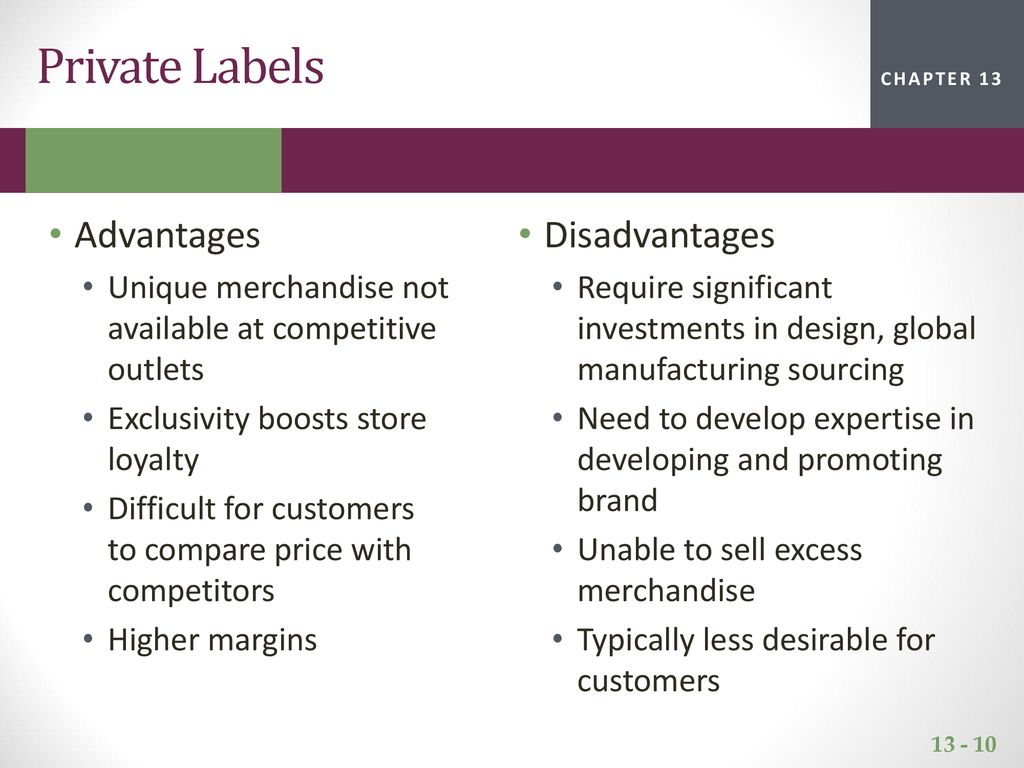
Buying Merchandise CHAPTER 13 McGraw-Hill/Irwin - ppt download
![What is Private Labeling? [Definition, Pros, Cons & More]](https://www.ecommerceceo.com/wp-content/uploads/2021/06/How-Private-Labeling-Works-1024x536.png)
What is Private Labeling? [Definition, Pros, Cons & More]
Best Private Label Products For Small Business 2021

Private labeling: Process, Advantages, and Disadvantages ...

How To Start Private Label Clothing Brand From Scratch?

Private Label vs White Label: Difference with Pros & Cons

Private labeling: Process, Advantages, and Disadvantages ...
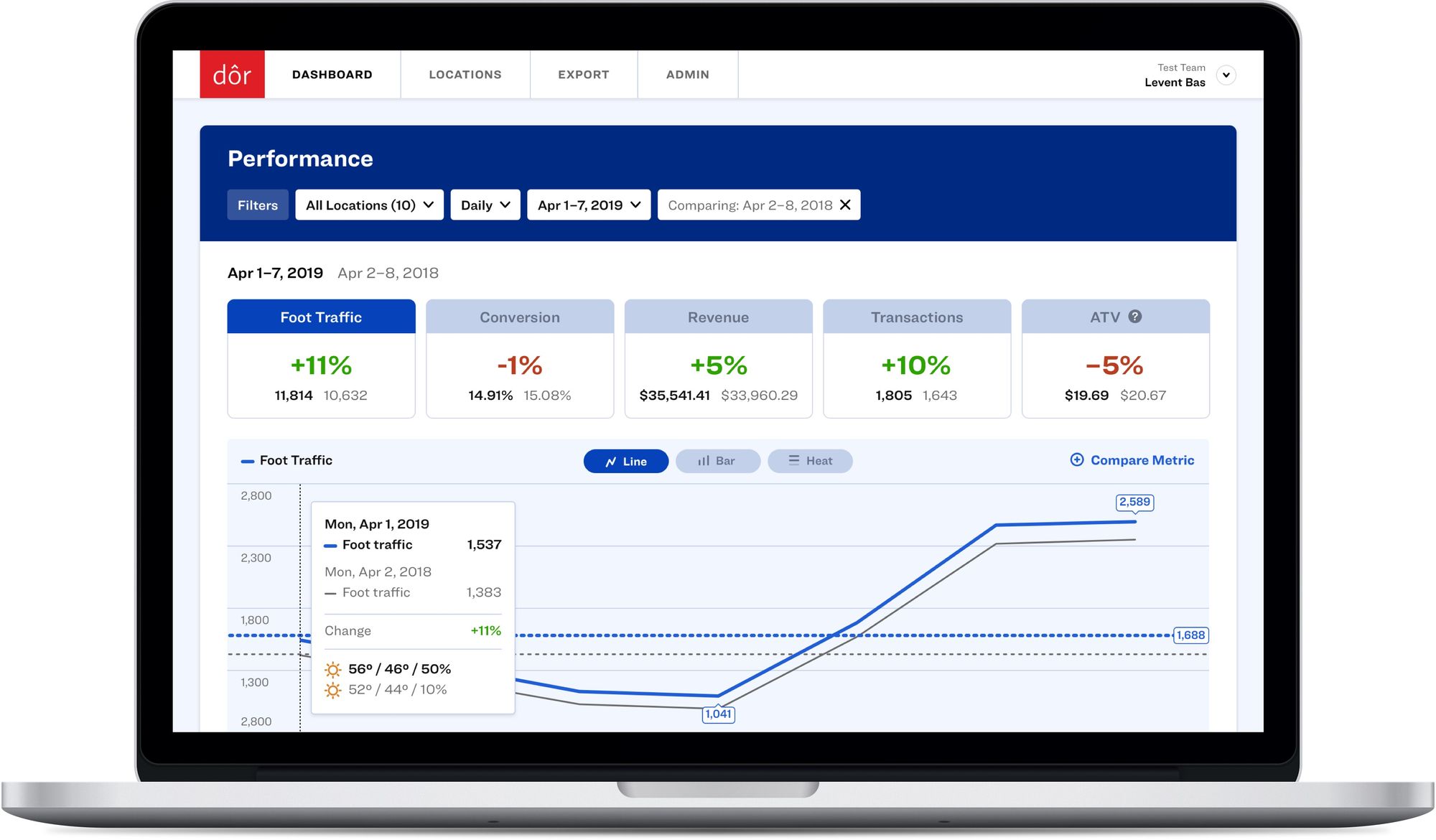
Private Labeling in Retail: How It Works, Pros and Cons - Dor
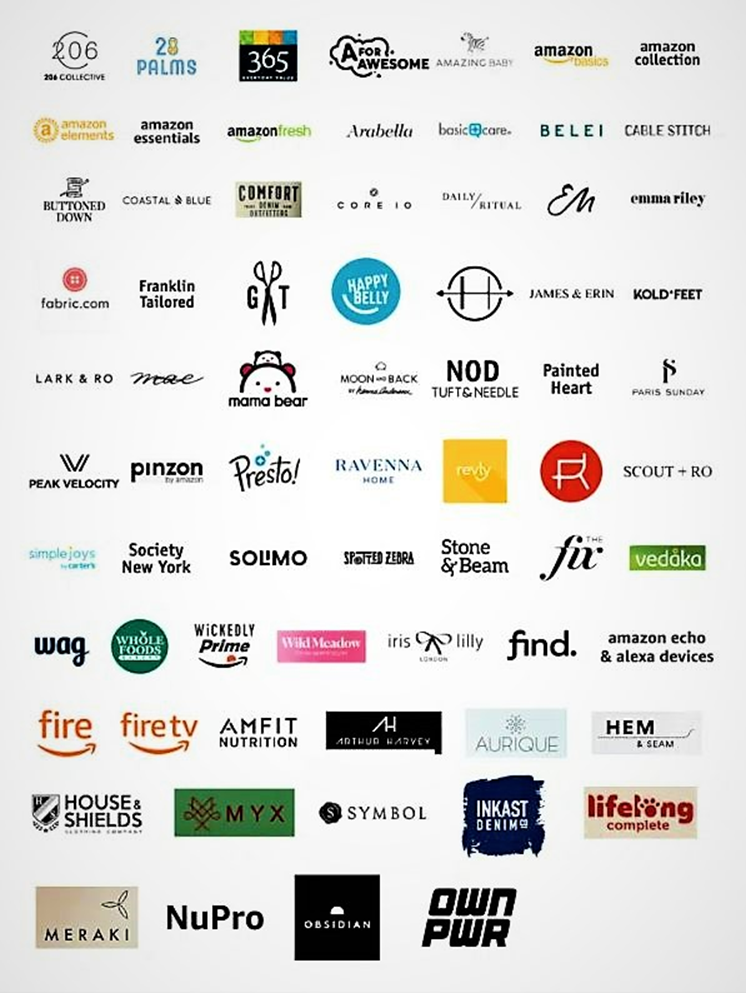
What are Private Labels – Explained with examples, Pros and Cons
Post a Comment for "44 disadvantages of private labels"