45 australian food labels explained
Food labels: a guide to reading nutrition labels - MyDr.com.au Solid foods labelled as 'low-fat' must not contain more than 3 grams of fat per 100 gram; 'low-fat' liquid foods must not contain more than 1.5 grams of fat per 100 mL. Only foods that are low fat can use a fat-free claim. Labels can therefore only claim that a food is 97%, 98% or 99% fat free. 'Low cholesterol' Country-of-origin food label revamp explained - Good Food Labelling requirements apply to packaged and unpackaged food - including unpackaged items like chicken and apples. Sometimes individual pieces of fresh fruit (think oranges from California) carry a label indicating where they are grown; other times a sign nearby in a store indicates where fresh produce is from.
Grocery unit prices | ACCC - Australian Competition and ... Checking and comparing unit prices on supermarket shelf labels or online can help you save money when grocery shopping. Large grocery stores and some online grocery retailers must display the unit price and the unit of measurement of a grocery item alongside its selling price on the shelf label for the item (unless the item is exempt).

Australian food labels explained
How To Read Food and Beverage Labels | National Institute ... There are three types of product dates commonly printed on packaged foods and beverages: "Sell by" tells how long the manufacturer suggests that a store should sell items such as meat, poultry, eggs, or milk products. Make sure you buy by this date. "Use by" tells how long items will be at peak quality. Organic Labelling Explained - NASAA Organic The spring leaf, NASAA Organic label is used by NASAA Certified Organic (NCO) operators. At present there are two style variations of the label: Original spring leaf NASAA Organic label Phasing out by early 2021 New look spring leaf NASAA Organic label Available from 2019 Understanding Food Labels | The Nutrition Source | Harvard ... Under the Food Allergen Labeling and Consumer Protection Act of 2004, eight major food allergens—milk, fish, tree nuts, peanuts, shellfish, wheat, eggs, and soybeans—are required to be listed in a "contains" statement near the Ingredients list if present in a food. An example would be "contains wheat, milk, and soy."
Australian food labels explained. Food labels - Better Health Channel Under labelling laws introduced in Australia in 2003, virtually all manufactured foods must carry an NIP. There are exceptions to the labelling requirements, such as: very small packages and foods like herbs, spices, salt, tea and coffee single ingredient foods (such as fresh fruit and vegetables, water and vinegar) food sold at fundraising events Food labels & nutritional information | Raising Children ... The nutritional information on food labels helps you work out how healthy a food is. But keep in mind that some of the healthiest foods can be unlabelled - fresh fruit and vegetables, wholegrain breads, nuts, lentils, beans, fresh lean meats and fish. Ingredients on food labels. In Australia, food manufacturers must be truthful on their food ... PDF Label Buster - A guide to the labelling requirements of ... Label Buster—A guide to the labelling requirements of the Food Standards Code - v - Introduction This is a guide to the Australia New Zealand Food Standards Code (the Code) labelling standards for food sold in, or imported into, Australia and New Zealand. The Code sets out standards for the labelling of all food, and significant penalties apply in Queensland under Iconic Australian Food | 17 Australian Foods You Should Try Barramundi is the Aboriginal name for this type of sea-bass found in Australia and the Indo-Pacific. Barramundi literally translates as "large-scaled silver fish". You have to try this fish, it's very popular for good reason - it's delicious! Barramundi by flickr 15. Lamingtons If you like coconut you'll love this very Aussie food - the Lamington.
Food labels explained | SA Health Food labels provide information to help us make healthier and safer food choices. They: tell us which nutrients, in what amounts, are in a product warn us if a food contains food allergens inform us if the food is fresh or out of date explain how to store, prepare or cook the food we buy list product ingredients How to read a food label - Healthy Kids Phone 02 9876 1300 or 1300 724 850 for those outside of Sydney. Country of origin | ACCC - Australian Competition and ... If a priority food was grown, produced or made in Australia, its country of origin label will also feature: a kangaroo in a triangle logo to help you quickly identify that the food is Australian in origin; a bar chart and text identifying the proportion of Australian content in the food (if any). How to Understand and Use the Nutrition Facts Label | FDA You can use the label to support your personal dietary needs - look for foods that contain more of the nutrients you want to get more of and less of the nutrients you may want to limit. Nutrients...
Food labels explained | BHF Food labels explained Learn how to understand front-of-pack food labels, and how they can help you make heart-healthy choices more easily. When the Government recommended a front-of-pack food labelling system to all food retailers and manufacturers, we were thrilled that our campaigning efforts had paid off. Country of origin labelling explained WHAT DO COUNTRY OF ORIGIN LABELS LOOK LIKE? A. Three-component standard mark Mandatory for priority food items (such as meat, fruit and vegetables, bread and dairy products) grown, produced or made in Australia. The label includes: The kangaroo in a triangle symbol. A bar chart showing the percentage of Australian ingredients. Use-by and best-before dates - Food Standards The only food that can have a different date mark on it is bread, which can be labelled with a baked-on or baked-for date if its shelf life is less than seven days. Foods that have a shelf life of two years or longer, e.g. some canned foods, do not need to be labelled with a best-before date. Plain English Allergen Labelling (PEAL) and FoodWorks - Xyris Food products labelled after February 2024 will need to comply with the new requirements. 2-year stock-in-trade period Any food packaged and labelled with the existing allergen declarations before the end of the transition period in February 2024 may be sold for up to 2 years subsequent to the end of the transition period. PEAL and FoodWorks
Barcode Standards Explained, Barcode Guidelines & Factsheets - Matthews
Understanding Food Labels - Food & Water Watch These labels tell you something meaningful about your food and where it came from - though they may not mean quite what you think. Certified Organic. Right now, the most meaningful label on your food, in terms of upholding specific government requirements, is the U.S. Department of Agriculture (USDA) Organic seal.
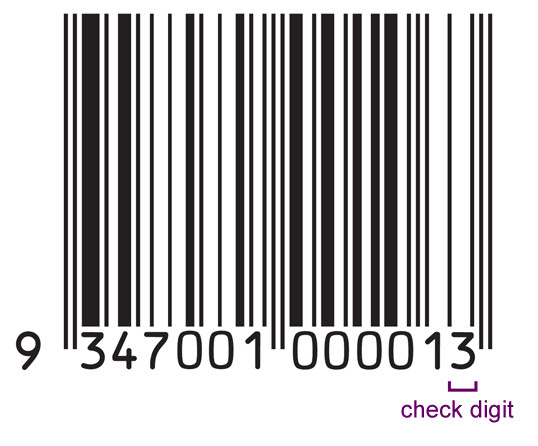
Barcode standards explained - Creative Passion
How to understand food labels - Eat For Health The Nutrition Information Panel on a food label offers the simplest and easiest way to choose foods with less saturated fat, salt (sodium), added sugars and kilojoules, and more fibre. It can also be used to decide how large one serve of a food group choice or discretionary food would be and whether it's worth the kilojoules.

Australia's new country of origin food labelling system announced
Understanding food labels fact sheet - NDSS Food labels will typically include a nutrition information panel, list of ingredients, the 'use by' or 'best before' date and identify potential food allergens and additives. Food labels also tell you the amount of carbohydrates (carbs) you eat and drink. This can help you manage your blood glucose levels.

Id attribute in html example
Differences between EU and US nutrition labels go far ... "On an EU food label, it would be declared as 'E469'." This discrepancy frequently trips up EU companies that want to export packaged food to the US, says Anna Benevente, the head of label ...

26 Australian Food Label Requirements - Labels Ideas For You
Blog — Food Labelling Explained The nutritional and ingredients labels on any packaged, tinned or wrapped foods can be a minefield to navigate. There was the Heart Foundations "Heart Tick" before it was retired in 2015 and now we have the "Health Star Rating System" and considering that McDonalds Nuggets used to get the Heart Tick I'll leave it up to you to decide if you think that the new and improved Health Star ...

frank camorra tempranillo & sparkling rose - onebitemore
PDF how to understand food labels - Eat For Health how to understand food labels What to look for… Don't rely on health claims on labels as your guide. Instead learn a few simple label reading tips to choose healthy foods and drinks, for yourself. You can also use the label to help you lose weight by limiting foods that are high in energy per serve.

How to read the new 'Australian Made' food labels
How to read an Australian wine label - Wine Selectors Generally a front label will include the following: Producer's company name Brand name Geographical indication/region Prescribed name of grape variety or blend Vintage Volume statement. Trophy or medal logo if it has any - awarded at Wine Shows, Trophy is the highest award.

Mostly Random Photos, eh?: Chicago-style hot dog, explained
Use-by or best-before? A definitive ... - Australian Food News Food and beverage products must have date codes; those without attract harsh penalties, because consumer health and safety is the intention behind them. Rather critical! Date codes give a guide to an item's shelf-life — how long it can be kept before its quality begins to deteriorate, or it becomes potentially unsafe to consume. In Australia, it's the manufacturer's or food supplier ...

The Best Packaging & Labels Freelancers on Fiverr
Nutrition information panels - Food Standards Carbohydrates are in foods like bread, cereals, rice, pasta, milk, vegetables and fruit. Carbohydrates in the NIP includes starches and sugars. Foods with high amounts of starches are white, wholemeal and wholegrain varieties of breads, cereal, rice and pasta, root vegetables and legumes. Sugars

Australia's new country of origin food labelling system announced - CHOICE
Understanding Food Labels | The Nutrition Source | Harvard ... Under the Food Allergen Labeling and Consumer Protection Act of 2004, eight major food allergens—milk, fish, tree nuts, peanuts, shellfish, wheat, eggs, and soybeans—are required to be listed in a "contains" statement near the Ingredients list if present in a food. An example would be "contains wheat, milk, and soy."

26 Australian Food Label Requirements - Labels Ideas For You
Organic Labelling Explained - NASAA Organic The spring leaf, NASAA Organic label is used by NASAA Certified Organic (NCO) operators. At present there are two style variations of the label: Original spring leaf NASAA Organic label Phasing out by early 2021 New look spring leaf NASAA Organic label Available from 2019
How to Read Food Labels in Australia and what those claims really mean | Australian Women Online
How To Read Food and Beverage Labels | National Institute ... There are three types of product dates commonly printed on packaged foods and beverages: "Sell by" tells how long the manufacturer suggests that a store should sell items such as meat, poultry, eggs, or milk products. Make sure you buy by this date. "Use by" tells how long items will be at peak quality.

Food Labelling Australia - Food Ideas

Australian Guide To Healthy Eating Food Groups | Healthy Food Recipes

The Aussie Bloke! Love it! | I Come From the Land Down Under | Pinterest | A Gentleman ...
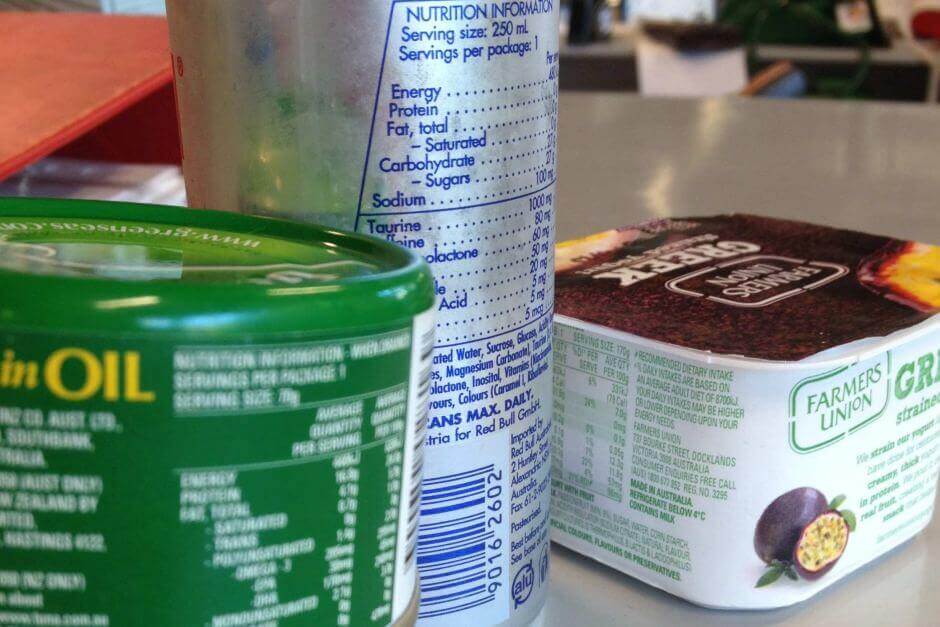
Simple guide to Australian food labels | Compare the Market

BBC News | BUSINESS | Fight on GM food labelling
Post a Comment for "45 australian food labels explained"